This company has no active jobs
0 Review
Rate This Company ( No reviews yet )

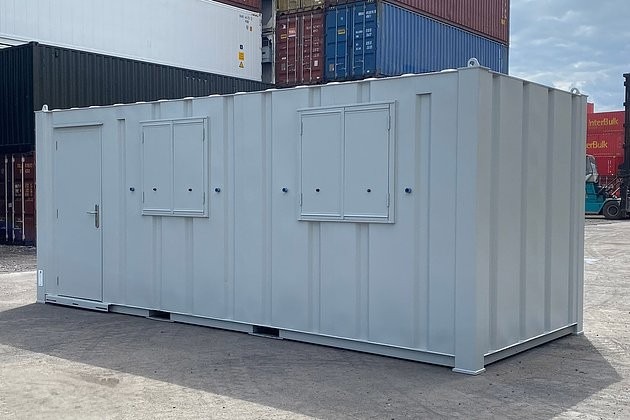
30 Ft Shipping Container For Sale
(0)About Us
See What 30 Foot Shipping Container Tricks The Celebs Are Making Use Of
Understanding the Cost of a 30-Foot Shipping Container
Shipping containers have actually become significantly popular for a range of functions, from storage and transportation to unique homes and workplaces. Amongst the various sizes available, the 30-foot shipping container offers a flexible solution for those needing a bit more area without dedicating to a full-sized 40-foot container. This blog site post will explore the expenses connected with purchasing or leasing a 30-foot shipping container, as well as elements that influence these costs, options for customization, and practical factors to consider for prospective buyers.

Overview of Shipping Container Costs
Before diving into specific costs, it’s important to understand the basic market for shipping containers. The price of a shipping container can differ considerably based on a number of elements, consisting of age, condition, area, and market demand.
Typical Cost of a 30-Foot Shipping Container
Here’s a rough breakdown of the normal cost range for buying a new and used 30-foot shipping container:
| Type | Typical Cost | Price Range |
|---|---|---|
| New Container | ₤ 3,000 – ₤ 5,000 | ₤ 2,500 – ₤ 6,000 |
| Used Container | ₤ 2,000 – ₤ 3,500 | ₤ 1,500 – ₤ 4,000 |
Aspects Influencing Cost
Numerous factors can impact the price of 30-foot shipping containers:
-
Age and Condition: New containers will constantly cost more than used ones. However, the condition of an utilized container can substantially influence its price. A one-trip container (utilized just as soon as to ship items) will be priced higher than an older, weathered system.
-
Location: Prices can vary by area due to transport expenses and local market demand. For example, urban areas with high demand may see greater rates.
-
Personalization: Buyers trying to find modified containers (with insulation, windows, doors, etc) can anticipate to pay considerably more, depending upon how comprehensive the modifications are.
-
Shipping Costs: If buying from a remote supplier, buyers ought to consider shipping expenses, which can include significantly to the total price.
-
Market Conditions: External elements such as financial conditions and trade policies can impact container schedule and pricing.
Renting Versus Buying
When pondering a 30 Foot Shipping Container-foot shipping container, one important choice is whether to lease or purchase. Each alternative includes its benefits and downsides.
Cost Comparison Table
| Alternative | Pros | Cons | Normal Cost |
|---|---|---|---|
| Purchasing | – Long-term financial investment – Ownership of the container – No ongoing rental fees |
– Higher in advance cost – Maintenance responsibilities |
₤ 2,500 – ₤ 6,000 (purchase) |
| Renting | – Lower initial cost – Flexibility for short-term needs – No upkeep required |
– No ownership – Ongoing payments accumulate |
₤ 100 – ₤ 300/month (leasing) |
The decision will mostly depend upon the intended use. For one-time tasks or short-lived storage, renting might be the best option. Alternatively, for businesses requiring consistent storage, buying may be more cost-effective in the long run.
Modification Options for 30-Foot Containers
One of the distinct advantages of utilizing a 30-foot shipping container is the capability to customize it to fit specific needs. Below is a list of popular customization options:
- Insulation: Essential for environments with extreme temperature levels to maintain a steady internal environment.
- Windows and Doors: Adding windows and multiple access points can improve functionality and comfort, particularly for living and working areas.
- Electrical and Plumbing: Configuring a container for electricity or pipes makes it ideal for a range of usages, from homes to offices.
- Interior Outfitting: Shelving and climate controls can turn a storage container into a completely practical work area.
- Paint and Aesthetics: Custom paint tasks can help your container fit into its environments or boost brand name identity.
Estimated Costs for Customizations
The cost of adjustments can vary substantially based on intricacy and materials but typically falls under the following varieties:
| Customization Type | Approximated Cost |
|---|---|
| Insulation | ₤ 300 – ₤ 1,000 |
| Windows and Doors | ₤ 500 – ₤ 2,000 |
| Electrical Setup | ₤ 500 – ₤ 1,500 |
| Pipes Setup | ₤ 700 – ₤ 2,500 |
| Interior Outfitting | ₤ 1,000 – ₤ 5,000 |
| Paint and Aesthetics | ₤ 300 – ₤ 1,000 |
Frequently Asked Questions (FAQs)
1. What is the normal life expectancy of a shipping container?
Shipping containers can last 10-25 years, depending on their usage and maintenance. Used containers may have a reduced life expectancy if they show considerable wear.
2. Are 30-foot containers helpful for building homes?
Yes! 30-foot containers can be converted into compact homes, making them popular for tiny home tasks. Correct insulation and adjustments can produce comfortable living areas.
3. Do I need a license to place a shipping container on my property?
Allowing requirements differ by area. Inspect local zoning laws and policies before positioning a shipping container on your property.
4. Where can I buy or lease a shipping container?
Many providers use containers for sale or lease. Online marketplaces and regional shipping container business are excellent locations to start your search.
5. How do I make sure the quality of an utilized shipping container?
Inspect the container for rust, structural integrity, and any leakages. Think about buying from reputable dealers who provide service warranties or guarantees.
A 30-foot shipping container can function as an economical service for different needs, whether for company, storage, or more imaginative usages like home structure. Understanding the expenses, alternatives, and elements that influence prices will help possible buyers make notified choices.
Overall, buying a 30-foot shipping container offers adaptability– providing a special ground for customized projects or practical storage options. For those considering this alternative, comprehensive research and spending plan planning can pave the way for success.